
Mediation in employment law: From the conciliation committee to commercial mediation
- November 11, 2025
- Updated:
November 21, 2025
Topic:

Table of contents
Labor disputes are part of everyday life in companies. Where employers and works councils clash, they often deal with far-reaching issues such as co-determination, working time regulations or even staff cuts. Until now, the conciliation committee under the Works Constitution Act has been regarded as a key instrument for resolving deadlocked conflicts. However, this procedure is expensive, cumbersome and often characterized by tactical games. More and more voices are therefore calling for an alternative and are finding it in mediation.
From compulsory proceedings to voluntary settlement
The conciliation committee is structured like an arbitration procedure. The employer and works council nominate assessors, a labor judge presides and a binding ruling is issued at the end. Although this can create clarity, it often leaves losers, frustration and damaged relationships in its wake. Mediation, on the other hand, is based on voluntariness, confidentiality and personal responsibility. A neutral third party accompanies the parties without making decisions. Instead of confrontation and majority decisions, mediation focuses on understanding and creative solutions.
Mediation in an operational context
Works constitution law itself is mediation-friendly. It obliges the parties to the company to “cooperate in a spirit of trust” and allows the involvement of external mediators in numerous co-determination situations. Whether it is about employment pacts in the event of staff reductions, conflicts over working time models or changes due to digitalization, mediation opens up the opportunity to defuse conflicts at an early stage and shape them constructively.
The added value lies not only in faster procedures and lower costs. Mediation strengthens relationships within the company. It prevents conflicts from escalating into power struggles and enables solutions that go beyond purely legal issues.
Limits of the conciliation committee, opportunities for mediation
Companies have long criticized the weaknesses of the conciliation board. High costs, complicated procedures, delaying tactics and a lack of flexibility. Mediation can compensate for these weaknesses. It is leaner, more confidential and more innovation-friendly. It allows experts or consultants to be involved flexibly and makes it easier for the parties to continue their business relationship after the conflict.
Of course, mediation also has its limits. It can fail if there is no willingness to reach an agreement or if there is a strong imbalance of power. However, experience shows that many conflicts, particularly in the corporate context, are less legal and more communicative in nature, making them ideal for mediation approaches.
Bridge to business mediation
A look beyond employment law shows: Mediation has long been a strategic tool in business. Whether for joint ventures, international contractual disputes or internal company changes, companies use business mediation to minimize risks, secure business relationships and accelerate decision-making processes.
The connection is obvious: anyone who establishes mediation in employment law as an alternative to the conciliation committee is also creating a culture of dialog that also applies to other areas of the company. Mediation thus becomes a management tool that extends far beyond individual conflicts.
Conflicts as a motor for development
The traditional route via the conciliation board is looking increasingly outdated in the 21st century. Companies need procedures that are faster, more efficient and more relationship-oriented. Mediation meets precisely these requirements. It is not a substitute for law and order, but a useful addition that makes conflict resolution more humane, economical and future-oriented.
Those who use mediation in employment law are also opening the door to business mediation – and thus to modern conflict management that sees conflicts not as a threat, but as an opportunity for development and innovation. Voluntary, in-house mediation centers can be a first step.
Please do not hesitate to contact us.
Alternative dispute resolution

Mediation proceedings
Mediation is designed to resolve conflicts promptly and directly.

Leistungsunterschiede im Team

Babyboomer vs. Gen Z

Teamkonflikte erfolgreich lösen

Wenn Erschöpfung zum Streit wird
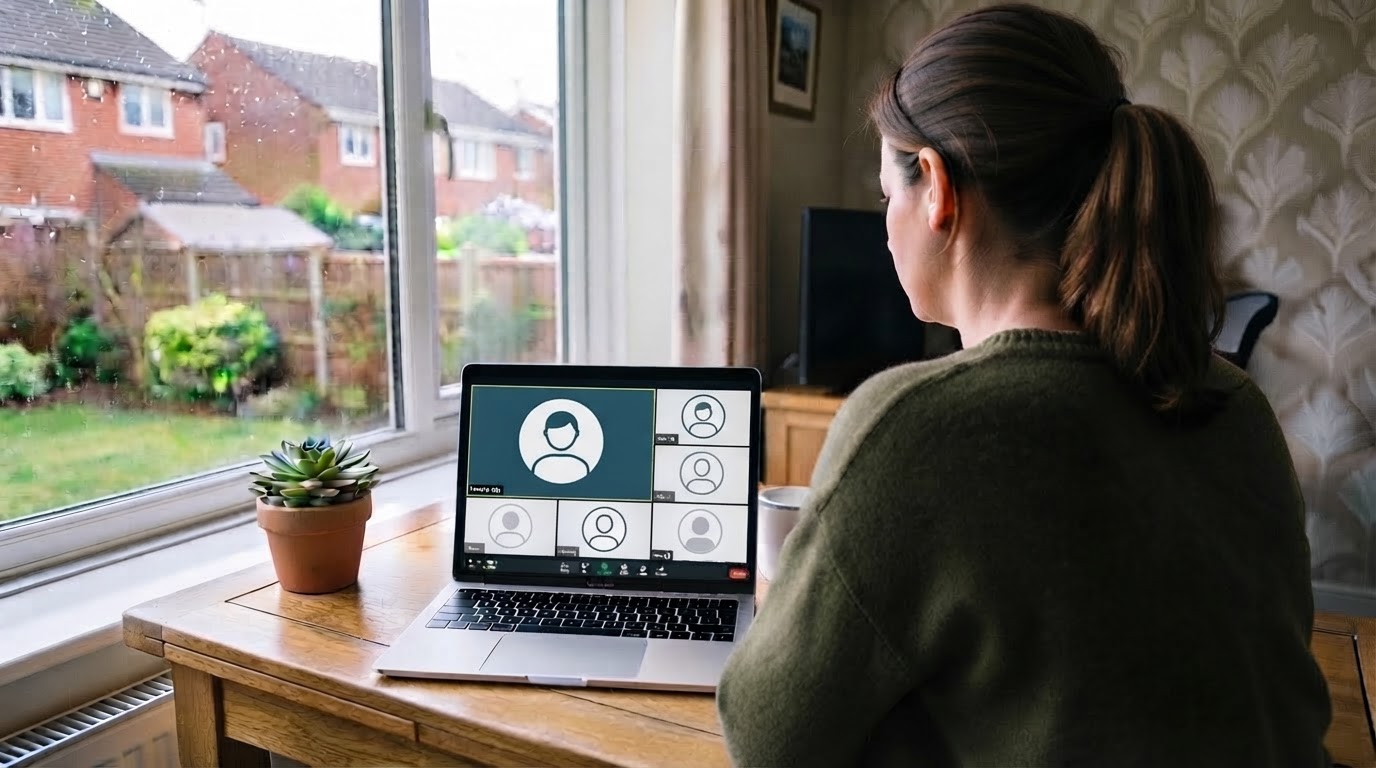
Wenn Distanz zum Konflikt wird

Mitbestimmung ohne verhärtete Fronten

Wenn Veränderung auf Widerstand trifft

Wenn die Spitze selbst zum Problem wird
