
Pixels instead of presence: B2B conflict resolution via video conference
- January 23, 2026
Topic:

Table of contents
Digitalization has shifted the business negotiating table to the virtual space. What used to be a laboriously organized meeting in a conference hotel is now just a click on a meeting link. While many still consider online procedures to be a stopgap solution, practice shows that video conferencing is often the superior tool, especially in corporate conflicts. It is fast, efficient, focused, and surprisingly effective.
The reason why this works so well in business, while family conflicts still require personal proximity, lies in the nature of the dispute itself.
Efficiency trumps etiquette
In business, time is the hardest currency. When supply chains stall, projects are blocked, or payments are outstanding, it’s not about hurt feelings, but about the ability to act, liquidity, and competitiveness. Companies have to decide, calculate, and act. This
is exactly where video conferencing comes into its own. It is not a substitute for a “real” meeting, but a precision tool for finding practical solutions. Managers, lawyers, and project managers can meet regardless of location, without travel expenses, without scheduling conflicts, and without months of lead time. Conflicts are resolved where they arise, in everyday operations.
Business is business, family is identity
The difference between corporate conflicts and family disputes lies in the emotional structure.
In the B2B sector, economic interests are at the forefront. It’s about contracts, services, deadlines, and money. Personal sensitivities may come into play, but they are secondary to the matter at hand. Decision-makers act in roles, not out of personal involvement. The focus is on the result.
In family conflicts, it’s different. There, it’s about belonging, recognition, old wounds, and decades-long relationships. Emotions are not a side effect, but the core of the conflict. This depth requires presence, closeness, and the entire spectrum of human perception.
What would be a hindrance in a family setting is an advantage in business: professional distance.
The monitor as a de-escalator
The screen acts as a digital buffer. It reduces tension without watering down content.
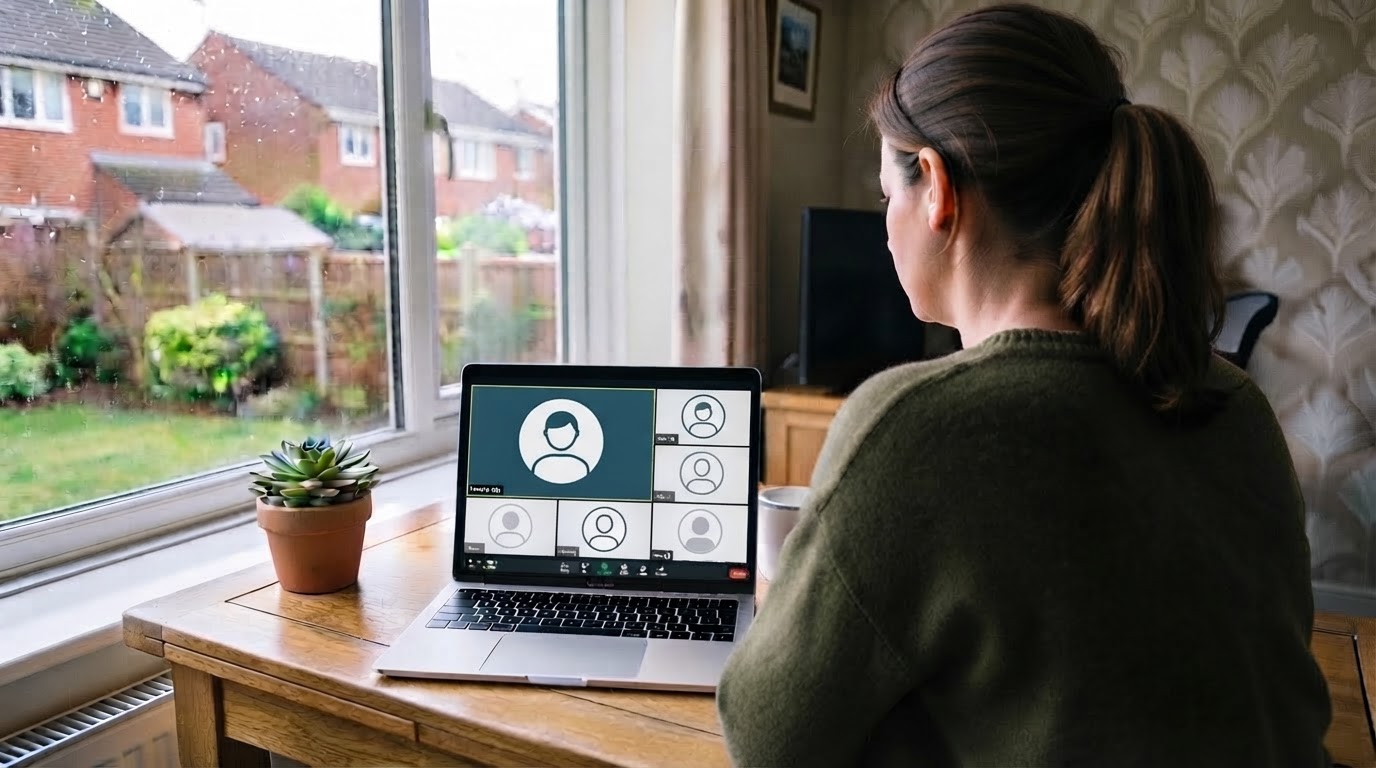
In video conferences, all participants are equally present. Dominance through physical size, imposing presence, or intimidation evaporates in the tile view. The tone becomes more objective and the discussion more structured. Aggression loses its effect and arguments gain weight.
At the same time, facts become more central. Documents, figures, contracts, and project plans can be shared in seconds. The focus is less on the opponent and more on the solution. The conversation becomes data-driven rather than emotionally driven.
Added to this is the psychological effect of one’s own environment. Those who participate from the familiar office feel more secure, more in control, and less under pressure than in an unfamiliar conference room. This “home court atmosphere” lowers the stress curve and increases the willingness to negotiate.
Time as a strategic resource
For companies, online dispute resolution is a real efficiency lever.
Decision-makers are more easily persuaded to attend a two-hour video meeting than a two-day trip. External experts can be brought in at precisely the right moment. Discussions can be arranged at short notice instead of being planned weeks in advance.
Modern conference technology also enables parallel one-on-one discussions in virtual rooms, without waiting times or downtime. Agreements can be formulated, coordinated, and finalized in real time. The agreement process remains fluid.
This turns a potential showstopper into a solvable project.
Practical rationality instead of romantic reconciliation
In B2B conflicts, the aim is not to fall back into each other’s arms. The goal is a viable contract, not emotional reconciliation. The parties do not need to celebrate together after reaching an agreement, but rather know how the next delivery will proceed or how the damage will be settled.
Video conferencing supports precisely this purpose-driven rationality. It allows for clear positions, tough negotiations, and precise decisions without personal proximity complicating the process. Professional distance becomes a prerequisite for quick solutions.
Digital sovereignty in the event of conflict
Companies that use modern methods of dispute resolution demonstrate strategic maturity. They recognize that quality is not tied to presence, but to structure, competence, and procedural reliability.
While emotional family conflicts still require the protective space of face-to-face meetings, one thing is clear to the business world: the future of settlement is digital, objective, and highly efficient.
Business class for conflict resolution
If you want to resolve a business dispute efficiently, regardless of location, and in a legally secure manner, find out more about CenaCom‘s digital procedures. As a state-approved conciliation center, CenaCom offers the ideal institutional framework. Even in the virtual space, legally secure settlements and enforceable titles are created here that meet the requirements of global business.
Alternative dispute resolution

Mediation proceedings
Mediation is designed to resolve conflicts promptly and directly.

Leistungsunterschiede im Team

Babyboomer vs. Gen Z

Teamkonflikte erfolgreich lösen

Wenn Erschöpfung zum Streit wird
Wenn Distanz zum Konflikt wird

Mitbestimmung ohne verhärtete Fronten

Wenn Veränderung auf Widerstand trifft

Wenn die Spitze selbst zum Problem wird
